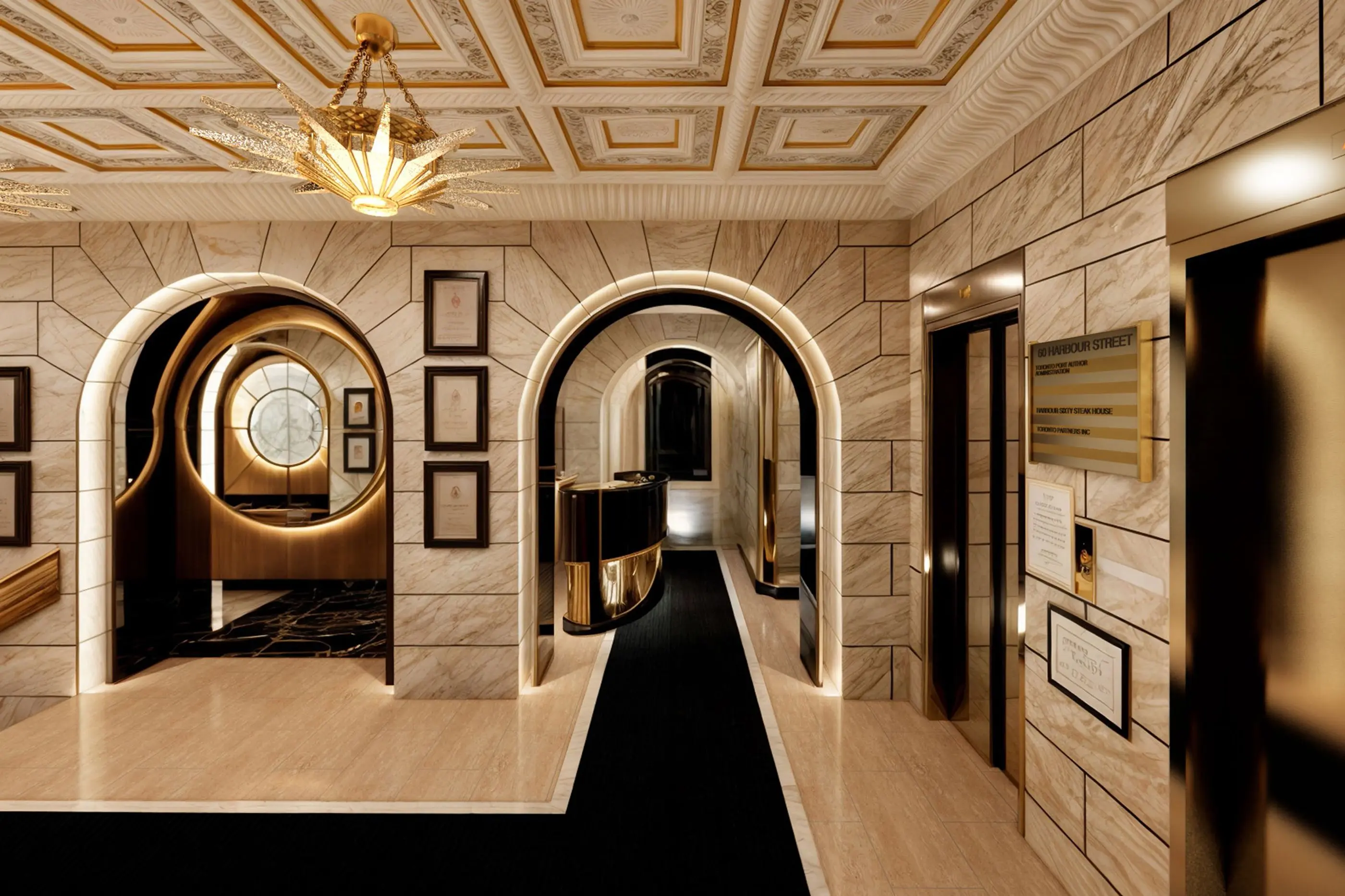
A room
kept , since 2001.
Inside Alfred Chapman’s 1917 Harbour Commission Building, on the city’s waterfront.
The room remembers more than the menu does.
The Toronto Harbour Commission Building was designed by Alfred Chapman in the 1910s and finished in 1917 — a Beaux-Arts pavilion built when the city still imagined itself in terms of its waterfront.
It was, for most of the twentieth century, an administrative office. A working room. The plaster mouldings, the granite stairs, the room proportions — all of it survived because the building was useful.
Harbour Sixty opened inside it in 2001, and the rooms have been served from continuously ever since. The renovation completed in 2025 went underneath that history rather than over it: brass refinished, banquettes rebuilt to the original spec, a new kitchen installed without moving a single load-bearing line.
The room remembers more than the menu does.
The years, in order.
- MCMXVII1917
The Toronto Harbour Commission Building is completed. Architect Alfred H. Chapman designs a Beaux-Arts pavilion for the city’s waterfront authority — granite stairs, plaster mouldings, a carved oak ceiling on the second floor.
- MMI2001
Harbour Sixty opens inside the Chapman Building. The rooms have been served from continuously since.
- MMXXIV2024–25
A multi-million dollar renovation completes. Brass is refinished, banquettes rebuilt to original spec, a new kitchen installed without moving a single load-bearing line.
- MMXXVI2026
Toronto Life names Harbour Sixty No. 7 on its Best New Restaurants list, returning the room to the city’s evening conversation.
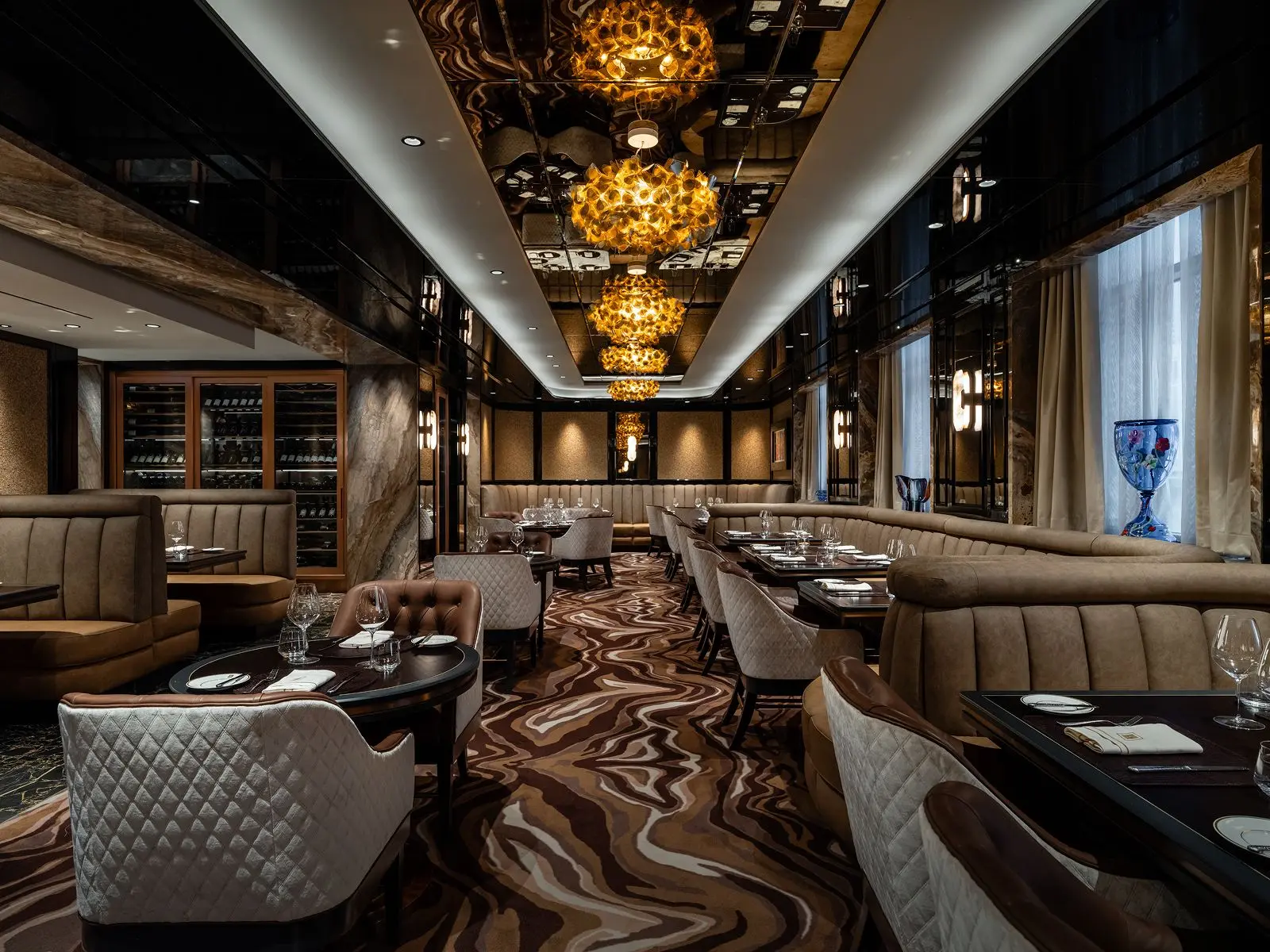
Beaux-Arts at the water’s edge.
The Toronto Harbour Commission Building is one of the city’s working civic landmarks — designed by Alfred H. Chapman, completed in 1917, and held continuously in service since.
The Beaux-Arts plan survived the twentieth century because the rooms were useful. The carved oak ceiling, the granite stairs, the plaster mouldings — all original.
Chapman
Steak, properly handled.
A dry-aging programme that doesn’t apologise. The classics, treated like classics, plated on marble that came up with the building.
The cut
Dry-aged beef, programmed in-house. Porterhouse, ribeye, NY strip — kept on classics, served on marble that came up with the building.
The cellar
A working library. Bordeaux, Burgundy, Piedmont, Napa — drawn from at the table, opened in the room.
The room
Service that knows the regulars and earns the strangers. A floor with a memory.
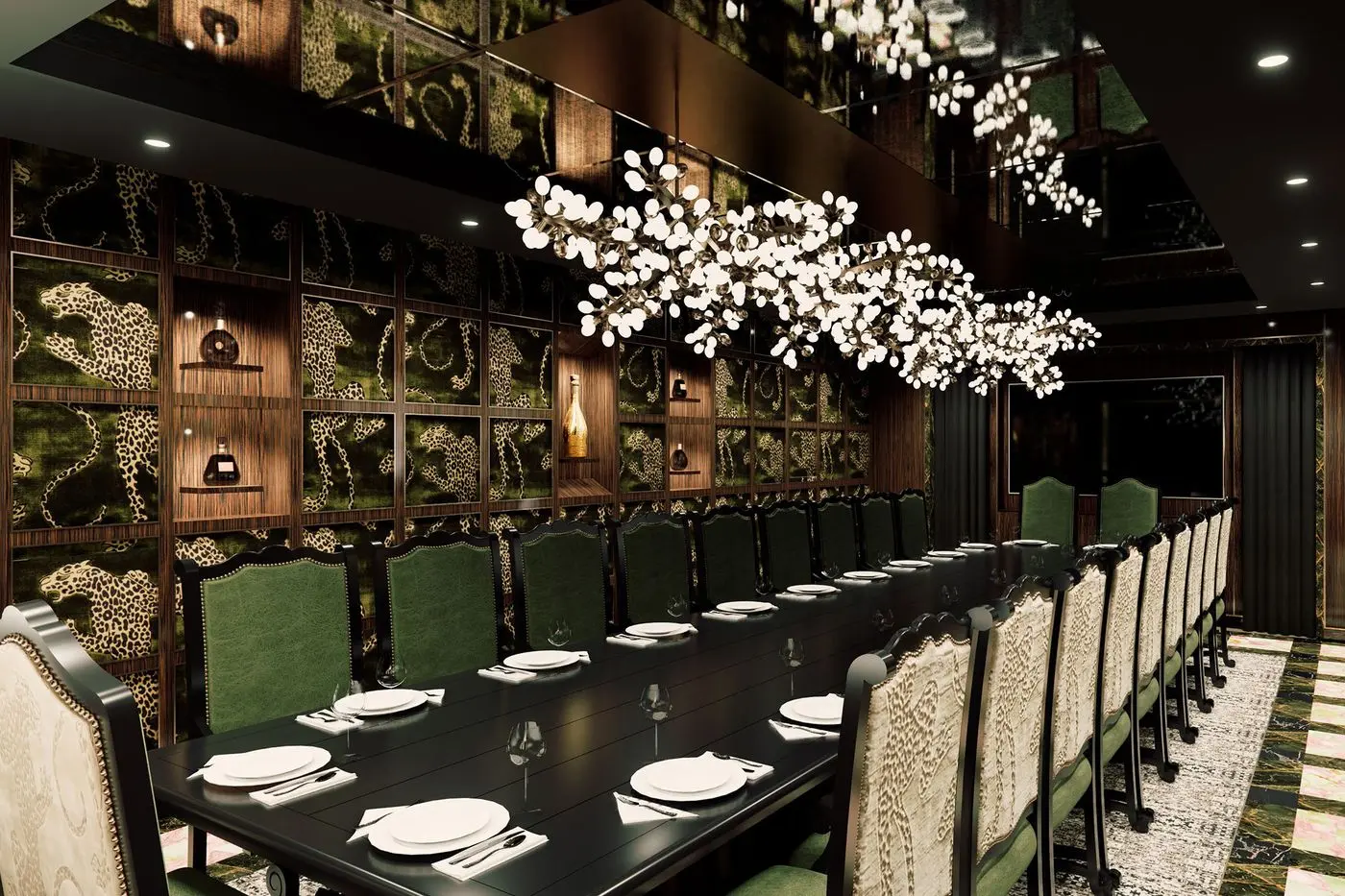
A room, at its best.
The dining room and the seven private rooms are kept on separate keys.